
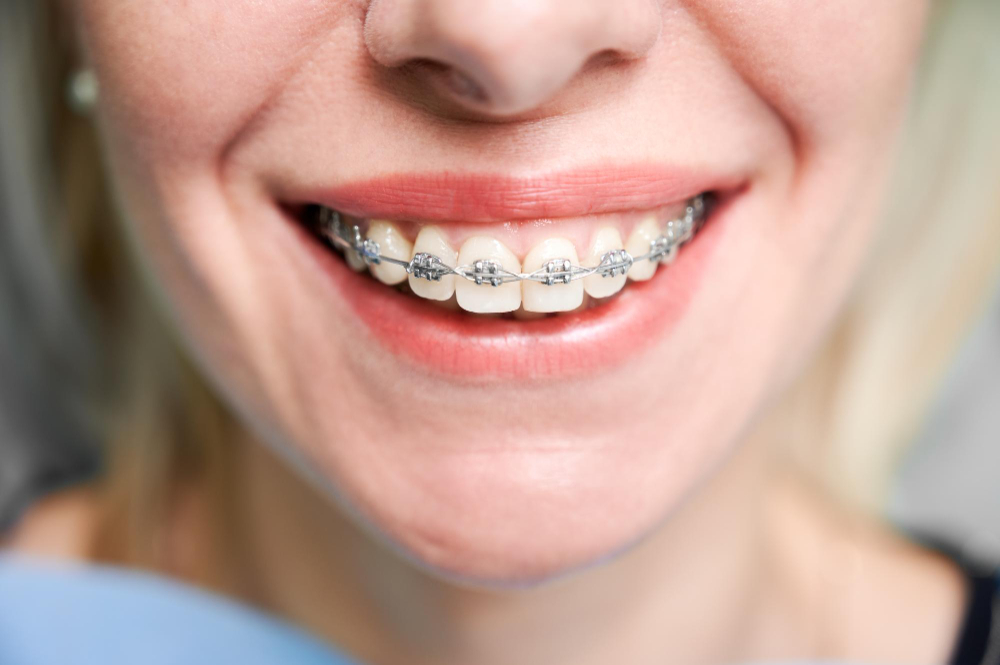
What Are Dental Braces?
Dental braces are special devices that help straighten teeth. They use gentle pressure to move teeth into better positions. Often, dentists or orthodontists recommend braces for children and adults. In fact, dental braces can fix crooked teeth, crowded teeth, or bite problems. According to the American Dental Association, braces can also improve your smile and oral health.
Who Needs Dental Braces?
Many people wonder if they need dental braces. Usually, a dentist or orthodontist will check your teeth and bite. If you have any of these issues, you may need braces:
Sometimes, children get braces as their adult teeth come in. However, adults can benefit from braces too. If you are unsure, ask your dentist for advice.
Types of Dental Braces
There are several types of dental braces. Each type works in a slightly different way. Here are the most common options:
While each type has pros and cons, your dentist can help you choose the best one for your needs.
The Dental Braces Procedure: Step-by-Step
Many people ask, “How do dental braces work?” Here is a simple step-by-step guide:
Usually, the whole process takes one to three years. However, the exact time depends on your needs.
Benefits of Dental Braces
Dental braces offer many benefits. Not only do they improve your smile, but they also help your oral health. Here are some key benefits:
According to the CDC, good oral health can also support your overall health. So, braces are more than just a cosmetic fix.
Common Side Effects and How to Manage Them
While dental braces are safe, some side effects can happen. For example, you may feel mild pain or soreness after adjustments. Here are some common side effects and tips to manage them:
Usually, these problems are mild and go away quickly. However, always talk to your dentist if you have concerns.
Tips for Caring for Dental Braces
Proper care is important for healthy teeth and gums during treatment. Here are some dental braces care tips:
With good care, you can avoid problems and get the best results from your braces.
Frequently Asked Questions About Dental Braces
Conclusion: Talk to Your Dentist
Dental braces can help you achieve a healthy, beautiful smile. If you have questions or think you may need braces, talk to your dentist or orthodontist. They can give you advice that fits your needs. Remember, a healthy smile starts with good care and expert guidance.