Introduction: Why Aging and Oral Health Matter
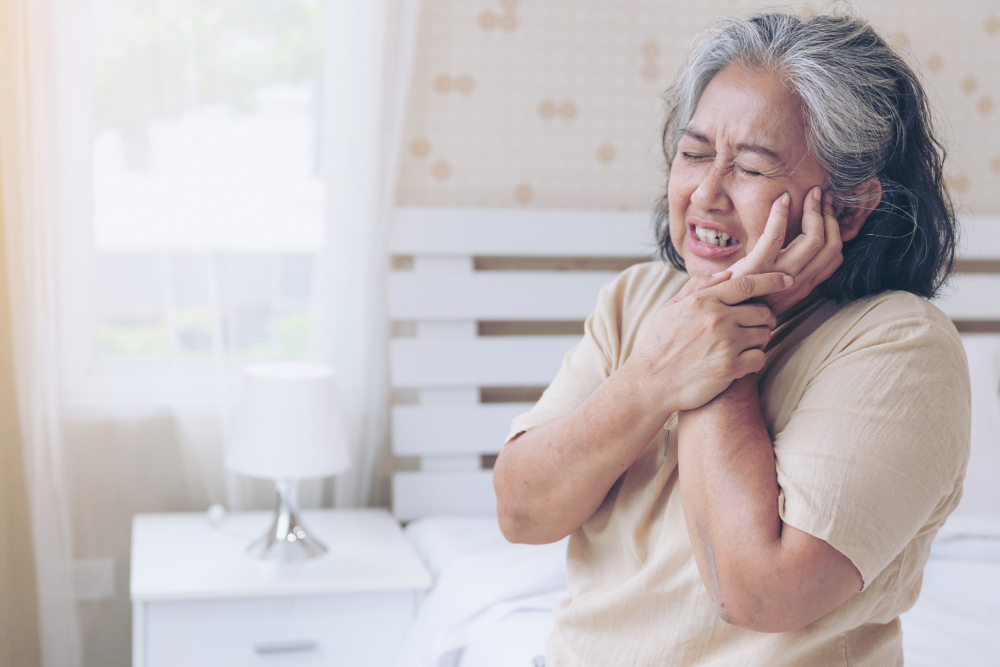
Aging and oral health are closely linked. As we grow older, our teeth and gums change. These changes can affect eating, speaking, and even our confidence. Good oral health in seniors is important for overall well-being. According to the CDC, older adults face a higher risk of dental problems. Therefore, understanding these changes helps you stay healthy and comfortable as you age.
Common Oral Health Changes with Age
As people age, several changes can happen in the mouth. For example, you may notice:
However, not everyone will have all these changes. Still, it is good to know what to expect.
Causes of Oral Health Changes in Older Adults
Many factors cause changes in aging teeth care. For instance, natural wear and tear can affect teeth and gums. In addition, some causes include:
Because these causes add up, it is important to pay extra attention to oral care as you get older.
Diagnosis and Signs to Watch For
Early detection helps prevent dental problems in older adults. Watch for these signs:
If you notice any of these, see a dentist soon. Regular dental checkups help catch issues early.
Treatment and Management Options
There are many ways to manage oral health in seniors. For example, dentists may suggest:
In some cases, changing medications may help reduce dry mouth. Always talk to your doctor before making changes.
Prevention Tips and Daily Oral Care for Older Adults
Preventing dental problems in older adults is possible with good habits. Try these tips:
Additionally, ask your dentist about products for sensitive teeth or dry mouth. Small changes can make a big difference.
Lifestyle Guidance for Maintaining Oral Health as You Age
Healthy habits support aging teeth care. For instance, you can:
Moreover, staying informed about oral health in seniors helps you make better choices every day.
Conclusion: Take Charge of Your Oral Health
In summary, aging and oral health are connected in many ways. While changes are common, you can prevent many problems with good care. Regular checkups and healthy habits keep your smile strong. Consult a dental specialist for personalized oral health advice as you age.