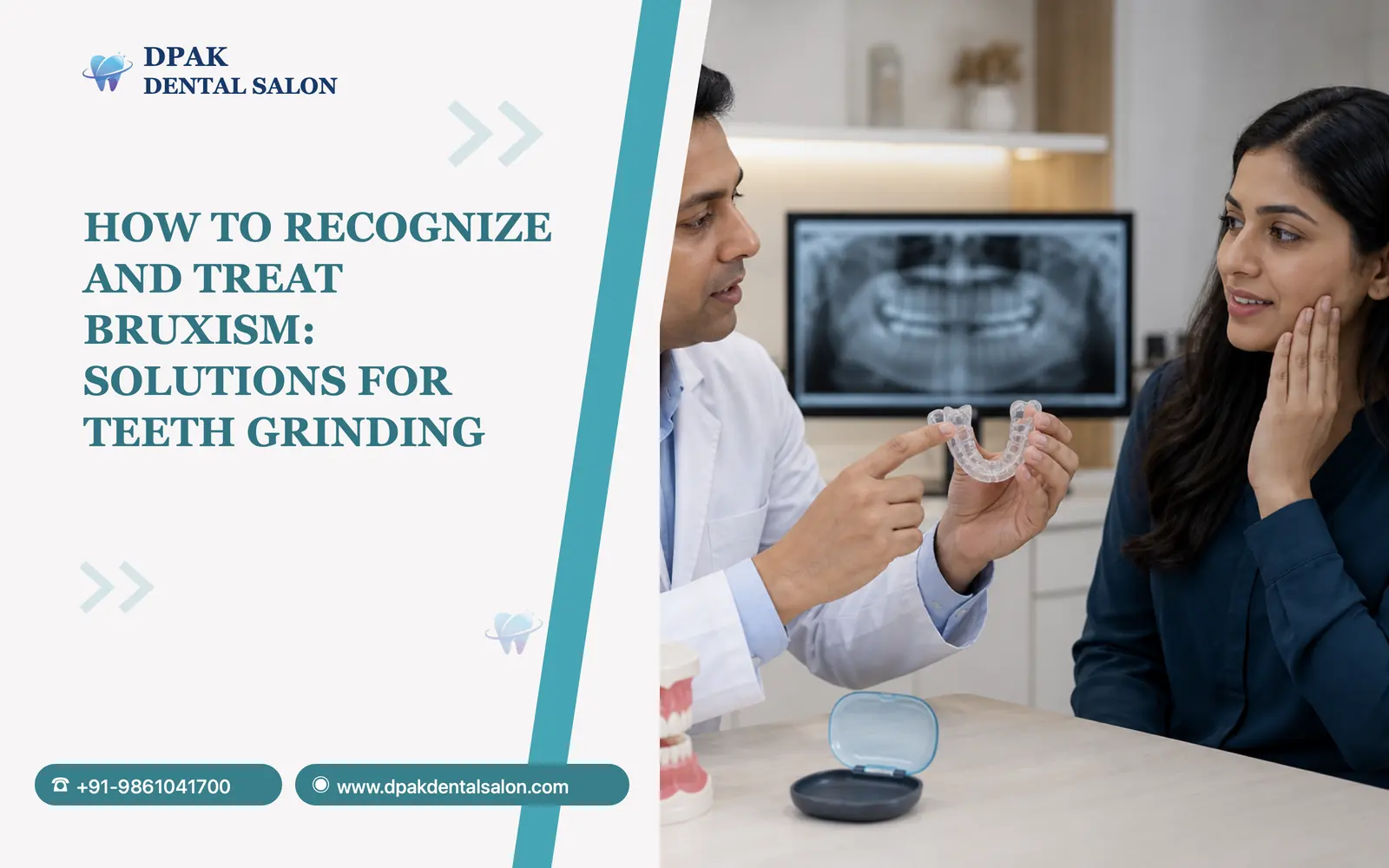
Bruxism (teeth grinding) can damage teeth and cause jaw pain. Learn the symptoms, causes, and effective treatment options.
What is Bruxism?
Bruxism is the medical term for teeth grinding or jaw clenching. Many people do this while they sleep, but it can also happen during the day. Often, people do not realize they have bruxism until they notice tooth or jaw pain. Over time, bruxism can damage teeth and cause other problems.
Common Symptoms of Bruxism
Bruxism can show up in different ways. Sometimes the signs are mild, other times they can be more serious. Not everyone will have all these symptoms.
- Worn, flattened, or chipped teeth
- Jaw pain or tightness, especially in the morning
- Headaches, often near the temples
- Earaches without infection
- Tooth sensitivity or pain
- Sleep problems or tiredness
- Clicking or popping sounds in the jaw
Causes and Risk Factors
Bruxism can have many causes. Sometimes stress or anxiety can lead to teeth grinding. Other times, it may be linked to sleep problems. People with sleep apnea are more likely to have bruxism.
- High stress or anger
- Use of caffeine, alcohol, or tobacco
- Some medicines, such as antidepressants
- Family history of bruxism
- Misaligned teeth or bite
- Other sleep disorders
How Bruxism is Diagnosed
Often, a dentist will spot signs of bruxism during a checkup. They may see worn teeth or ask about jaw pain. Sometimes, you may need to answer questions about your sleep and stress levels. In some cases, the dentist may suggest a sleep study. Early diagnosis helps prevent more damage.
Effective Treatment Options
There are many ways to treat bruxism. The right treatment depends on your symptoms and the cause. Your dentist will help choose the best option.
- Wearing a mouth guard at night to protect teeth
- Stress management, such as relaxation exercises
- Dental correction for misaligned teeth
- Changing medicines if they cause teeth grinding
- Physical therapy for jaw pain
- Botox injections in severe cases
Lifestyle Tips and Prevention
Besides medical treatments, some lifestyle changes can help stop bruxism.
- Reduce stress with yoga, meditation, or deep breathing
- Avoid caffeine and alcohol, especially before bed
- Keep a regular sleep schedule
- Do gentle jaw stretches or massages
- Use a warm washcloth on your jaw to relax muscles
When to See a Dentist
Sometimes, mild bruxism goes away on its own. However, you should see a dentist if you notice ongoing jaw pain or headaches, chipped, loose, or worn teeth, sleep problems or tiredness, or clicking or popping in your jaw. Early care can prevent serious damage.
Conclusion
If you suspect you have bruxism, consult a dentist for personalized advice and treatment options. Early action can protect your teeth and improve your quality of life.